Perth & Perthshire Ground Source Heat Pumps for Long-Term Efficiency and Rural Homes
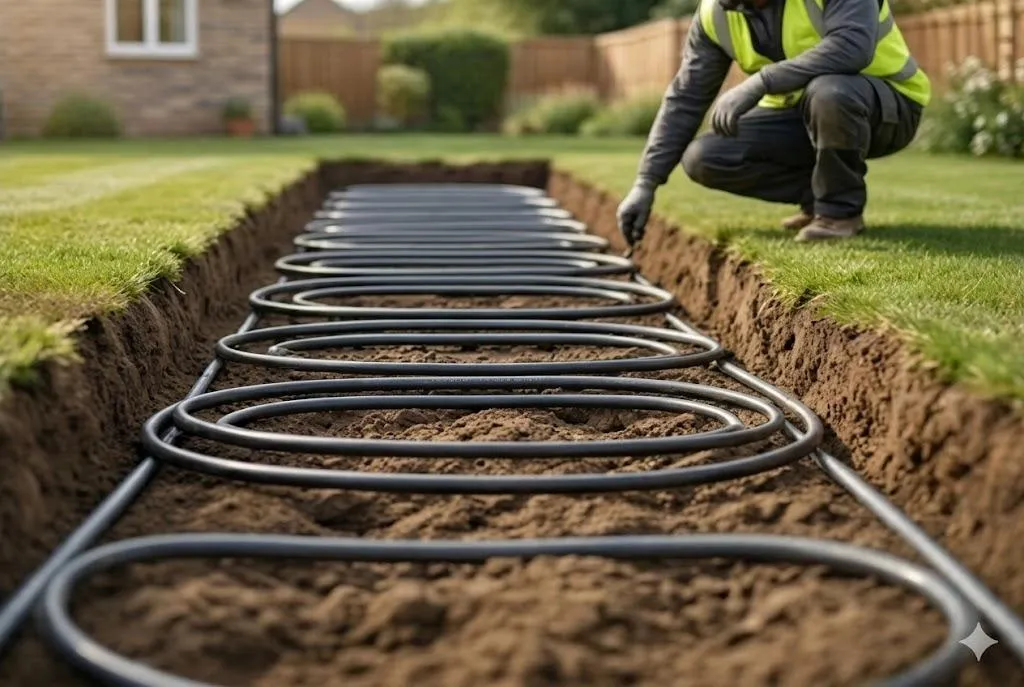
Ground Source Heat Pumps appeal to a particular type of homeowner in Perth & Perthshire: people with enough land, a long-term view, and a strong focus on efficiency, stability, and low running costs. They are especially relevant for larger rural homes, farmhouses, substantial self-builds, and properties with paddocks or generous garden space around Perthshire. In locations where oil or LPG has been the default for years, ground source can be one of the most robust ways to move to renewable heating.
The reason these systems attract attention in rural Perthshire is simple. The ground temperature is more stable than the outdoor air, so a well-designed ground source system can deliver highly consistent performance through the heating season. That can be attractive in exposed countryside settings where winter comfort matters and households want predictable operating costs over 15 to 25 years rather than just the lowest day-one price.
When Ground Source Heat Pumps Make Sense in Perthshire
Ground source is not the right answer for every property. Compared with air source, it usually needs more civil work, more design time, and a bigger budget. However, it becomes particularly compelling when:
The property has a large garden, field, or suitable land for trenches
The home is larger and has high annual heat demand
The owner plans to stay long term
The project includes wider renovation, extension, or landscaping work
A quieter visual solution is preferred with most of the energy collection hidden underground
Horizontal trenches vs boreholes
Most domestic projects use either horizontal ground loops or vertical boreholes. Horizontal trenches are typically more cost-effective where land is available and access is straightforward. Boreholes suit tighter plots or projects where garden disruption needs to be reduced, but they usually come with higher drilling costs.
Costs, Grants, and Project Timelines
Ground Source Heat Pumps normally cost more upfront than air source systems because of the excavation or drilling work. Across the UK, many domestic projects fall broadly into the region of £18,000 to £35,000+ before grants, with borehole projects often sitting toward the higher end. In Perthshire, the final figure is shaped by ground conditions, rock, trench length, access for machinery, and the size of the house.
Scottish funding can still make a major difference. Home Energy Scotland support includes up to £7,500 in grant funding for heat pumps, plus a £1,500 rural uplift for eligible rural homes. An optional interest-free loan may also be available. For the right rural Perthshire project, that support can narrow the gap between a conventional replacement system and a long-life renewable alternative.
How long does installation usually take?
Ground source projects generally take longer than air source because the groundworks come first. A straightforward trench-based domestic scheme may involve around 5 to 10 working days of physical installation, while more complex borehole or multi-trade projects can run longer once drilling, internal plant work, and final commissioning are included.
Ground Source vs Air Source in Rural Perthshire
System typeUpfront costSpace neededRunning cost outlookInstallation disruptionBest fitGround Source Heat PumpsHigherMedium to highOften excellentHigher due to groundworksLarger rural homes and long-term ownersAir Source Heat PumpsLowerLowVery good when designed wellModerateMost Perth & Perthshire homesOil boiler replacementLower short-termLowFuel-price dependentLowerOwners prioritising immediate capital cost
For many households, the decision comes down to land, budget, and time horizon. If you want the lower day-one spend, air source usually wins. If you have the land and want a premium long-term renewable system, ground source is often worth close attention.
Key Design Questions Before You Commit
Is there enough suitable land?
Not every large garden works equally well. Slope, rock, trees, drainage, access for machinery, and future landscaping plans all matter.
What emitters will the house use?
Ground source performs best when paired with low-temperature emitters such as underfloor heating or correctly sized radiators. That is especially important in older Perthshire homes with varied room sizes and heat loss profiles.
Is the property listed or in a sensitive setting?
External appearance is often easier to manage with ground source because most collector infrastructure is buried, but permissions, listed building status, and access routes still need checking early.
Can the wider renovation be coordinated?
Groundworks become easier and more cost-effective when coordinated with landscaping, drive replacement, extensions, or drainage upgrades.
Frequently Asked Questions
Are Ground Source Heat Pumps always better than air source?
Not always. They can offer excellent seasonal efficiency, but the higher upfront cost and land requirements mean they are best for specific properties rather than every home.
Can I get a grant for a ground source system in Perthshire?
Yes. Scottish homeowners can access heat pump grant support through Home Energy Scotland, with additional rural uplift available for eligible properties.
Are Ground Source Heat Pumps a good fit for farmhouses and bigger rural homes?
Often yes. They can be a strong option for larger, continuously heated properties where the owners want long-term performance and have space for loops or boreholes.
Thinking About a Ground Source Project in Perthshire?
Ground Source Heat Pumps are usually worth exploring when you have the space and want a system designed for the long haul. If you want a local view on feasibility, ground conditions, likely disruption, and whether air source might still be the smarter choice, visit the Heat Pumps Perth homepage and request a survey-based discussion rather than a generic quote.
